
[ad_1]
Are you trying to choose the greatest lens for wildlife images, however you aren’t certain what to buy?
Don’t fear.
As a result of this text will provide you with every part
you might want to learn about wildlife images lenses.
And also you’ll in the end come away figuring out which
wildlife images lens is greatest for you.
Fast Reply – Finest Lens for Wildlife Images
- Canon 100-400mm f/4.5-5.6 II
- Nikon 80-400mm f/4.5-5.6G VR
- Sony 100-400 f/4.5-5.6 OSS
- Fujinon 100-400mm F4.5-5.6 OIS
- Nikon 300mm f/4D
- Canon 400mm f/5.6L
- Tamron 150-600mm F/5-6
- Sigma 150-600mm f/5-6.3
- Tamron 100-400mm f/4.5-6.3
- Sigma 100-400mm f/5-6.3
- Canon EF 300mm f/2.8L IS II
- Nikon 300mm f/2.8G VR II
- Sony 300mm f/2.8
What to Search for When Choosing
the Finest Lens for Wildlife Images
In terms of selecting a wildlife
images lens, there are a number of fundamental components that you need to take into
account:
Focal Size (Attain)
Wildlife images at all times begins with focal size.
As a result of with out a sufficiently lengthy lens,
you’re going to finish up with only a few good pictures and a lot of frustration.
The reality is that almost all lenses are too quick for wildlife images. Wildlife doesn’t keep nonetheless while you method it, and it’s typically not secure to method it, anyway.
Which is why you’re going to wish to shoot
animals from far again, utilizing the ability of a telephoto or tremendous telephoto lens.
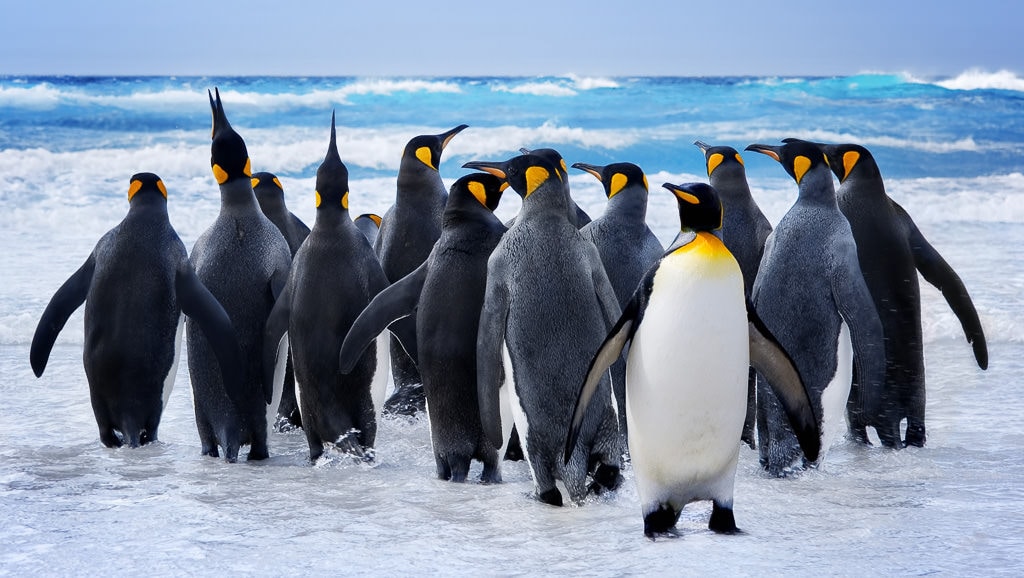
- Typically talking, you’ll want a minimal of 300mm to seize frame-filling images of enormous wildlife (e.g., bison).
- For smaller wildlife, 400mm is the minimal.
- And for birds, you’ll need absolutely the longest lens you possibly can afford – 400mm will get you shut sufficient with very tame birds (assume birds in very public areas and in your yard), however 500mm or 600mm is healthier.
Additionally notice that these suggestions are
assuming that you simply’re capturing with a crop-sensor digital camera. In different phrases, you
want a 300mm lens mounted onto a crop-sensor digital camera for a superb shot at
photographing massive wildlife.
And in the event you’re utilizing a full-frame digital camera,
you’ll want one thing extra like 500mm.
Zoom vs Prime
It’s time to ask your self:
Do I need a prime lens or a zoom lens?
The tradeoff between these two lens sorts primarily comes when it comes to flexibility. In case you’re capturing a deer at 400mm and it finally ends up transferring nearer, you’re going to wrestle in the event you’re working with a major lens – however a zoom lens can again proper up so you possibly can preserve capturing.
That stated, you’ll typically need extra attain, not
much less, so that you’ll hardly ever be caught in conditions the place you could have an excessive amount of focal
size.
And zoom lenses (particularly high quality zoom
lenses) can value greater than a superb prime.
So right here’s what I like to recommend:
In case you plan on capturing wildlife in many alternative environments (together with zoos, wildlife sanctuaries, different areas the place the wildlife is acclimatized to people), then go together with a zoom lens. The flexibleness might be necessary.
See additionally: Finest Lens for Fowl Images
However in the event you’ll be in conditions the place most
attain is just about at all times of important significance, then forgo the zoom and
persist with a high-quality prime. You’ll get extra bang to your buck, and the
optics on primes are persistently unimaginable.

Most Aperture
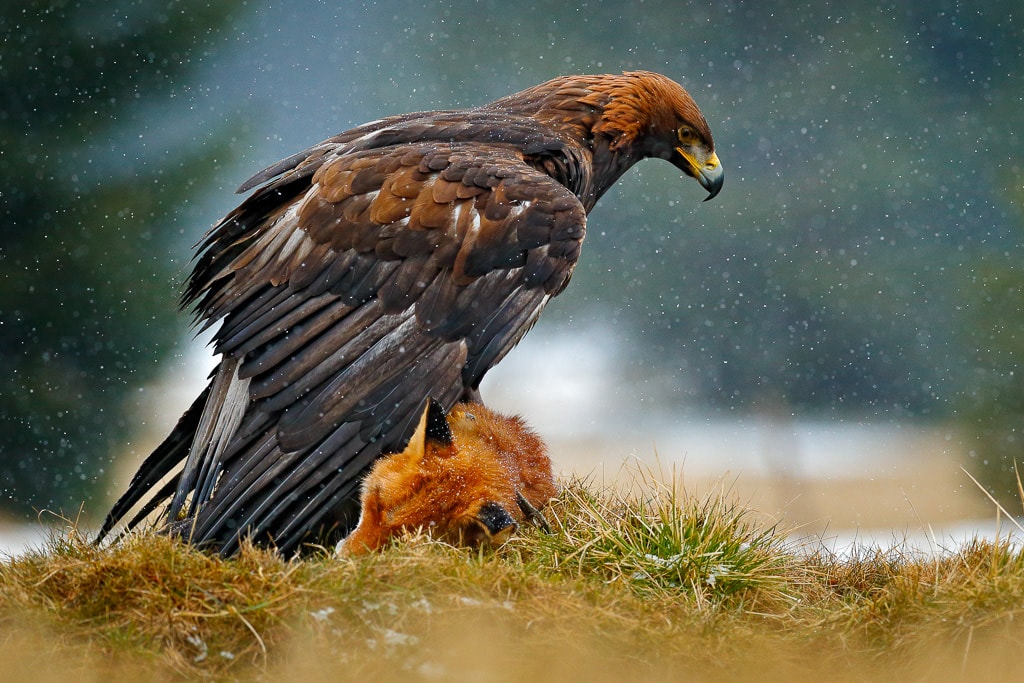
Wildlife images typically takes place when the sunshine isn’t perfect. In different phrases, you’re typically coping with low gentle as a wildlife photographer.
For that reason, the very best most aperture for wildlife is f/2.8; this ensures you possibly can preserve your shutter velocity quick sufficient to get sharp wildlife pictures.
However lenses with larger most apertures can nonetheless work, particularly when you have a digital camera that performs nicely in low-light eventualities. To not point out that huge aperture lenses include a depth of discipline compromise, while you typically need to preserve your topic sharp from entrance to again.
Climate Sealing
Wildlife images tends to happen in
tough situations.
That’s the place climate sealing is available in.
The perfect lenses provide at the least some type of safety in opposition to the climate within the type of tighter seals and higher construct high quality.
Associated article: Climate Sealed Cameras – a Full Record
Are you able to dunk a weather-sealed lens underwater and take away it with out concern? Virtually definitely not, and I positively wouldn’t attempt it. However climate sealing is sweet for conditions the place you’re capturing in gentle rain, gentle snow, a number of mud, and extra. It’ll preserve you lens secure–which is why I like to recommend you prioritize lenses with climate sealing when selecting the very best wildlife images lens.
Focus Velocity and Accuracy
Wildlife is quick.
Which means, if you wish to seize gorgeous motion pictures of wildlife, you might want to use a fast-focusing, extremely correct lens.
See additionally:
You don’t have time to attend round whereas your
lens hunts for focus. By the point focus has been acquired, the wildlife might be
gone.
Make sense?
That’s why autofocus velocity is important.
And accuracy is essential, too.
See additionally: Wildlife Images Settings
So when selecting the very best wildlife lens,
you’ll need to choose one thing that’s recognized for its quick AF capabilities. At
the very least, you gained’t need a lens that takes important seconds to focus
whereas your topic strikes away.
Native vs Third Celebration Lenses
One remaining issue to contemplate when buying a wildlife images lens is whether or not you’d wish to seize a local lens (e.g., Nikon, Canon, Sony), or a third-party lens (e.g., Tamron, Sigma).
See additionally: Finest Digital camera for Nature Images
As of late, the primary distinction between third-party lenses and native lenses is value alone, as a result of third-party producers make some severely high-quality glass.
That’s:
You pay a premium for native lenses, as a result of
they arrive with a well-liked model label.
This can be a implausible alternative for newbie wildlife photographers as a result of third-party lenses provide comparatively equal optical high quality, however for considerably much less.
So I positively advocate you take into account third
celebration lenses. You don’t have to exclude native lenses out of your search
totally, however take note of the high-quality third-party choices!
Finest Wildlife Images Lenses
Now let’s check out your completely different
wildlife lens choices, beginning with:
Finest Worth Lenses for Wildlife Images
The lenses on this part provide the very best
optics for the bottom value:
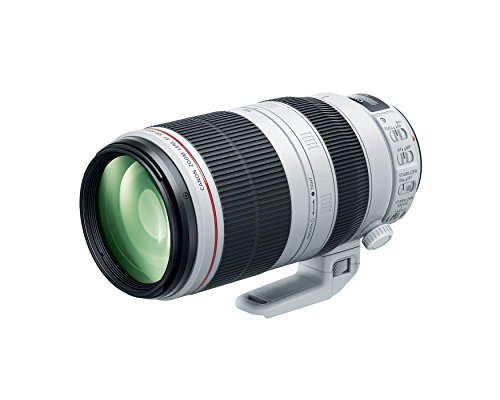
1. Canon 100-400mm f/4.5-5.6 II
The Canon 100-400mm f/4.5-5.6 II is the clear
selection for Canon wildlife shooters on the lookout for a high-quality lens, and who
prize its mixture of flexibility and optical high quality.
The 100-400mm presents sufficient attain to fulfill
many wildlife photographers, particularly with a crop-sensor digital camera physique. And the
optics on the 100-400mm are unimaginable; the lens offers wonderful sharpness,
even at 400mm.
This Canon tremendous telephoto zoom is pretty expensive, however you get so much to your cash: speedy autofocus (for motion capturing), picture stabilization (for low gentle work), an important zoom vary, and wonderful optics.

2. Nikon 80-400mm f/4.5-5.6G VR
The Nikon 80-400mm is a implausible all-around wildlife lens for Nikon shooters, which manages to include an extended zoom vary, sturdy optical efficiency, and quick autofocus right into a single semi-budget lens.
At 400mm, it is best to be capable to seize photographs of bigger wildlife and tame birds, particularly in the event you’re capturing on a crop-sensor digital camera just like the D500 or the D7500. And the Vibration Discount will allow you to seize sharp pictures in low gentle (so long as your topic isn’t on the transfer!).
It is probably not fairly as highly effective because the Canon 100-400mm (above), however the 80-400mm is a formidable possibility.
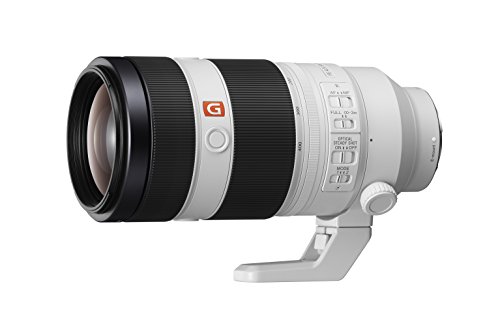
3. Sony 100-400 f/4.5-5.6 OSS
The Sony 100-400mm f/4.5-5.6 is among the pricier choices on this checklist, however nicely value it for the intense Sony wildlife photographer.
Just like the lenses listed above, the focal size vary brings a number of flexibility with a pleasant lengthy (400mm) finish that’s sufficient to seize tame birds and wildlife, particularly on an APS-C physique.
You’ll additionally love the ultra-sharp optics, which give attractive photographs on the most aperture and at 400mm.
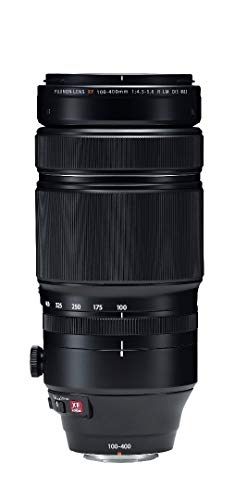
4. Fujinon 100-400mm F4.5-5.6 OIS
Fujifilm isn’t an organization recognized for his or her tremendous telephoto lenses, however–fortuitously for Fujifilm shooters–they’ve managed to create a winner.
The 100-400mm f/4.5-5.6 is a superb wildlife possibility, from its focal size flexibility to its spectacular picture sharpness (whereas the lengthy finish of the lens is much less sharp than the remainder of the vary, it nonetheless guarantees sturdy images). Autofocus velocity is necessary for wildlife shooters who wish to seize the motion, and the Fujifilm 100-400mm doesn’t disappoint in that space, focusing shortly and effectively.
Associated article: The Cause I Switched from Sony for Fujifilm
So long as the 100-400mm is coupled with a wonderful wildlife digital camera, you should not have any downside maintaining with the motion.

5. Nikon 300mm f/4D
The Nikon 300mm f/4D is hardly flashy in comparison with a few of its costlier rivals, nevertheless it manages to maintain the value down whereas doing its job nicely.
The 300m f/4D is a major lens, which signifies that it presents little or no fiexibility, however does embody stellar optics (the lens is extraordinarily sharp, plus the f/4 most aperture is a pleasant bonus) and quick focusing. The primary draw back to this lens is the shortage of Vibration Discount and the general weight of the lens; it’s not what I’d name a lightweight selection.
However for the extra budget-conscious photographer who needs to begin out with skilled high quality glass, the Nikon 300mm f/4D is an efficient possibility.

6. Canon 400mm f/5.6L
The Canon 400mm f/5.6L is one among Canon’s older wildlife choices–nevertheless it’s an important selection for anybody who needs to interrupt into the 400mm area, however can’t drop 1500+ {dollars} on the 100-400mm zoom.
Sharpness is superb, even huge open, and the focusing velocity is spectacular, definitely quick sufficient to trace transferring wildlife (when you have the monitoring expertise to go together with it, in fact!).
The chief downsides to this lens are its dimension/weight and lack of zoom. In case you’re on the lookout for an all-around, walkaround-type wildlife lens, the 400mm f/5.6L isn’t the best way to go. However in the event you want nice optics at 400mm above all else, then this can be a lens I wholeheartedly advocate.
Finest Price range Lenses for Wildlife Images
On this part, you’ll discover the finances zooms – lenses that provide you with a number of attain for an impressively low value.

7. Tamron 150-600mm F/5-6
The Tamron 150-600mm is a monster zoom lens, providing you with an incredible quantity of attain on the lengthy finish–which is ideal for capturing even the smallest birds. It sports activities respectable autofocus, although you could wrestle to seize among the quickest scenes (e.g., small birds in flight).
Lengthy zooms lenses of this sort usually need to sacrifice on one thing, and for the Tamron it’s optical high quality within the 500-600mm vary. Whereas the lens performs nicely all through lots of its focal lengths, at 600mm you’ll discover a discount in sharpness, plus some chromatic aberration.
Is that this sufficient to disqualify the Tamron? Actually not. The lens has so much going for it, even when it isn’t good.

8. Sigma 150-600mm f/5-6.3
The Sigma 150-600mm manages to go toe-to-toe with its Tamron competitor (above), and manages to return out forward–particularly in the case of optics.
In case you’re a wildlife shooter, this lens contains the focal size you want. It additionally has the focusing speeds, managing to maintain issues pretty quick regardless of the impressively low value.
And whereas it’s not on the identical degree as many of the worth lenses reviewed above, the Sigma 150-600mm actually does ship on sharpness, giving good outcomes till it approaches 600mm, at which level issues change into a bit comfortable (however nonetheless usable).
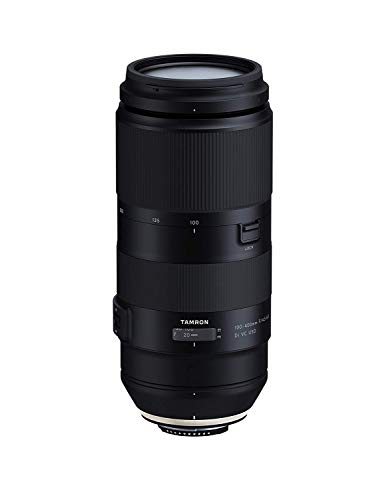
9. Tamron 100-400mm f/4.5-6.3
At nicely beneath $1000, the Tamron 100-400mm is among the least expensive tremendous telephoto zooms on the market–however performs so nicely you’d hardly know.
See additionally: Prime Tutorials for Wildlife Images
What are you able to anticipate from this lens?
First, an immensely helpful focal size, permitting for severe wildlife capturing on the lengthy finish and captive animal images on the shorter finish.
As for the optics, whereas the Tamron 100-400mm isn’t stellar, it manages to carry its personal, maintaining issues sharp in the course of its zoom vary and respectable on the 400mm finish. In case you’re on the lookout for an costly, ultra-high performer, then I like to recommend you look elsewhere.
However in the event you’re on the lookout for a mix of value and high quality, the Tamron 100-400mm is definitely value a attempt.

10. Sigma 100-400mm f/5-6.3
The Sigma 100-400mm is one other finances tremendous telephoto zoom, and one with so much going for it: An unbelievably low value, a formidable focal size vary, and nice optics all rolled into one.
Add to that good construct high quality and Sigma’s Optical Stabilization know-how, and also you’ve acquired your self a really stable wildlife possibility.
See additionally: Wildlife Images Tools for Learners
The weakest side of the 100-400mm is its autofocus, which is decently quick however solely pretty correct. Nevertheless, the lens actually does provide so much for the value, so it’s positively value contemplating in the event you’re a wildlife newbie.
Finest Excessive-Finish Lenses for Wildlife
Images
The lenses on this part are among the
greatest which can be presently obtainable. They provide unimaginable optics–for a premium
value.
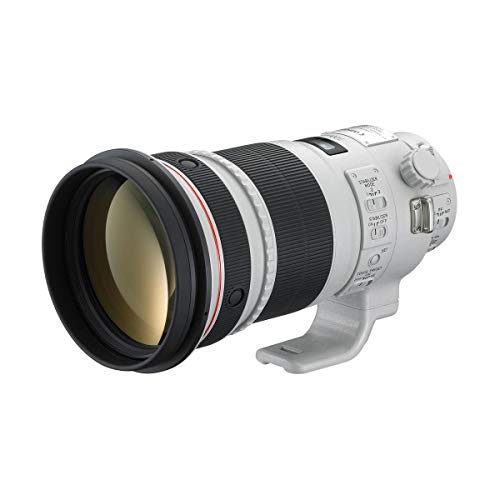
11. Canon EF 300mm f/2.8L IS II
The Canon 300mm f/2.8L is an astonishingly sharp, amazingly quick wildlife lens, good for capturing massive wildlife, particularly in low gentle. Throw on a 1.4x teleconverter, and also you’ll be capable to {photograph} smaller wildlife and even birds.
In fact, an f/2.8 most aperture and a lens that may shoot huge open for tack-sharp images goes to return at a severe value, and the Canon 300mm f/2.8L is not any exception. Except you’re knowledgeable, I’d advocate going with a unique possibility–as a result of the optical capabilities, the f/2.8 aperture, and the lightning-fast autofocus value far an excessive amount of to make sense for a newbie.

12. Nikon 300mm f/2.8G VR II
The Nikon 300mm f/2.8 is one among Nikon’s most formidable motion lenses, boasting quick focusing capabilities, razor sharpness, and rather more.
See additionally: How one can Take Skilled Wildlife Images
For a wildlife shooter, that is the dream–however provided that you possibly can afford it. Whereas Nikon’s 300mm possibility is a bit cheaper than its Canon counterpart, it nonetheless prices an arm and a leg, and will solely be thought of by probably the most severe of photographers.
Just like the Canon 300mm, you possibly can slap on a 1.4x teleconverter for added attain–which you’ll want, in the event you plan to shoot smaller topics corresponding to birds.
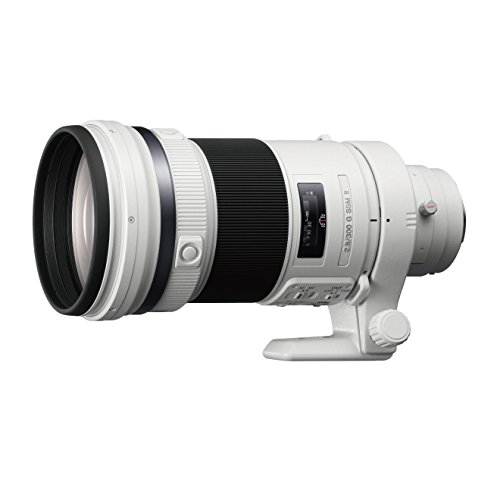
13. Sony 300mm f/2.8
The Sony 300mm is like its fundamental rivals, listed above: quick, sharp, and (above all) expensive.
Is it fairly nearly as good because the Canon 300mm or the Nikon 300mm for wildlife?
Maybe not, however in the event you’re a Sony shooter you don’t have a lot selection. And the optics are nonetheless spectacular, as is the focusing velocity and the utmost aperture.
See additionally: Finest Reasonably priced Digital camera for Wildlife Images
So for the intense Sony shooter who has a big finances, the Sony 300mm f/2.8 is one among your solely wildlife choices.
Conclusion
Selecting the very best wildlife images lens is
a problem.
However it is best to really feel much more assured, now.
So choose a lens from this checklist, mount it on
your wildlife digital camera, and begin capturing!
Articles Associated to “Finest Lens for Wildlife Images: 13 Nice Picks“
[ad_2]